The Matimba Years
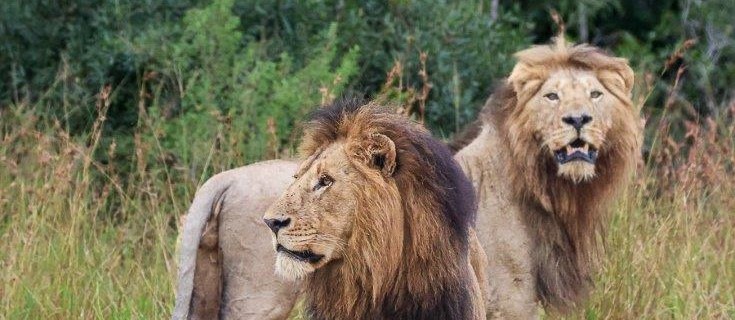
The Matimba Males, a powerful coalition of six lions, were first recorded in the Manyeleti Game Reserve on March 16, 2010. From the outset, they displayed dominant behavior, challenging the existing male lions in the region. By early 2011, the Matimbas had successfully overthrown dominant males across Manyeleti and surrounding areas, establishing themselves as a formidable force within the Greater Kruger ecosystem. Around this time, the Talamati Pride had returned to the Sabi Sands after several years in Kruger National Park. Upon their return in 2011, the pride, then consisting primarily of two maturing lionesses, Silver-Eye and her sister, came under the control of the Matimba Males. This timing aligned with the Matimbas' broader campaign of territorial expansion and consolidation. Under Matimba rule, Silver-Eye and her sister mated with the coalition and gave birth to several cubs. At least one female and three young male offspring of the Matimbas survived to adulthood. One lioness eventually left the pride, marking the end of the Matimba genetic contribution to the Talamati lineage.
The Selati Years
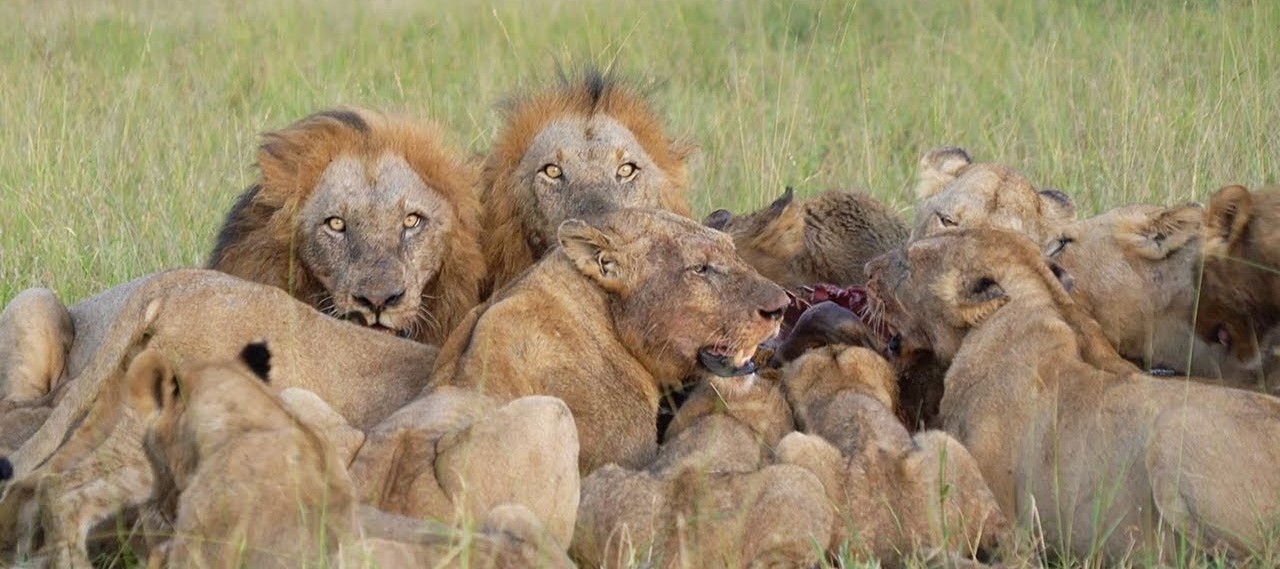
During the Selati reign, the Talamati Pride experienced both growth and loss. The coalition mated with the remaining lionesses, and although not all litters were successful—due to natural causes and the constant threats of predation, internal pride dynamics, and external male pressures—this period saw the birth of several cubs. The pride also suffered losses during this time. Two of the oldest females, possibly including Silver-Eye or her sister, died during the Selati males’ tenure, reducing the pride’s numbers to just three lionesses. Despite these losses, the remaining females persisted, continuing the Talamati lineage.
The Northern Avoca Years
The Avoca Males originated from the Avoca Pride in the Timbavati region and were sired by the Avoca/Giraffe Males in the early to mid-2013 period. The coalition initially consisted of five males. Two were slightly older than the remaining three, leading to a natural split within the group. The younger trio—Dark Mane, Blondie, and Mohawk—dispersed together and eventually became known as the Northern Avoca Males. In early 2018, they encountered the Talamati Pride, which at the time was without pride males following the disappearance of the last Selati Male in 2017. The Northern Avoca Males successfully took over the pride, establishing their dominance and beginning a new breeding chapter for the Talamatis. After the takeover, the three brothers operated more independently. Dark Mane remained with the Talamati Pride, maintaining a consistent presence, while Blondie and Mohawk shifted their focus to the Nkuhuma Pride in northern Sabi Sands. In 2019, Dark Mane sustained an injury to his right paw. The wound failed to heal properly, resulting in a permanent limp. Despite this limitation, Dark Mane continued fulfilling his role with the Talamatis and sired multiple cubs, including two young males. By 2021, a significant shift occurred when the S8 Male began moving southward, challenging Dark Mane’s hold over the pride. The S8 Male succeeded in mating with three of the five adult Talamati lionesses. The remaining two older lionesses stayed with Dark Mane and the sub-adults, including the young males he had fathered. This period marked the beginning of the decline of Dark Mane’s influence over the Talamati Pride.
Instability of the S8 Years
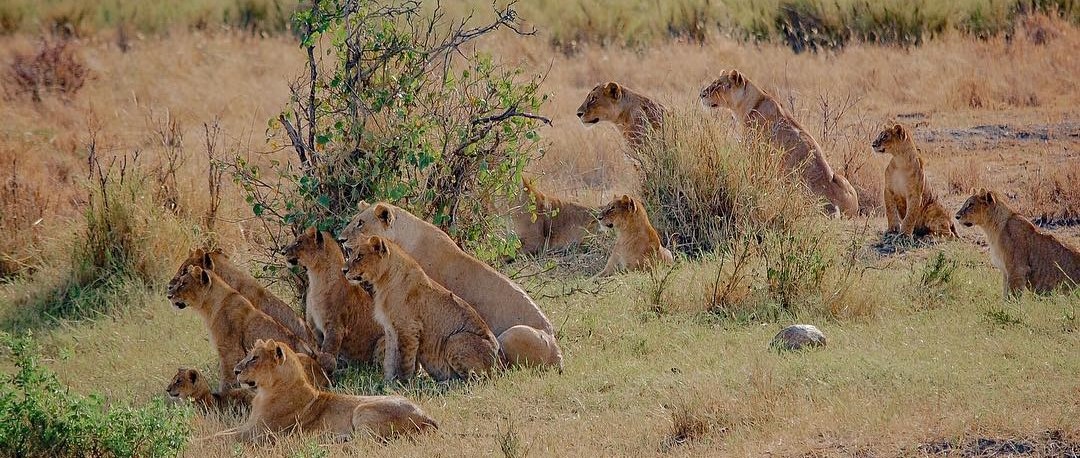
In early 2021, a lioness from the Talamati Pride was observed associating with the S8 Male, a lone male active in the region. This event marked the beginning of a division within the pride, ultimately leading to the formation of the Talamati Breakaway Pride. Over the year, the pride suffered key losses: a sub-adult female and a sub-adult male disappeared under unknown circumstances. By early 2022, the pride adopted a more nomadic lifestyle, likely driven by scarcity of large prey within their traditional territory and a lack of a strong dominant male to protect them. During this nomadic phase, another female was believed to have been killed by the Plains Camp males in April 2022. Four younger adult females accepted the S8 Male as their dominant male, while the two oldest females and remaining sub-adults did not accept S8, leading a semi-nomadic life that eventually became fully nomadic. By 2023, the splintered groups had taken new directions. The two oldest females from the original pride died. The four younger females, having moved south to southern Sabi Sands, came under the protection of the Gijima Males and established themselves as a new pride, the Msuthlu Pride. Under the reign of the S8 Male, three adult females died unexpectedly. This left only one female with cubs/sub-adults, but the situation worsened with S8’s death. Following his death, all of S8’s remaining offspring eventually perished, marking the collapse of that lineage in the northern region. In 2024, local lodges and Panthera officially renamed the Talamati Breakaway Pride to the Talamati Pride and designated the group of four southern lionesses as the Msuthlu Pride.
Current Status
The Msuthlu Pride, formed by four younger lionesses from the original Talamati Pride, has established itself in the southern Sabi Sands region. Under the protection of the Gijima Males, this pride has been observed thriving, with recent sightings confirming the presence of cubs. Notably, on April 4, 2025, the Msuthlu Pride was seen with their cubs, indicating successful breeding and a stable social structure. The northern remnant of the original Talamati Pride has been reduced to just a single semi-nomadic lioness.
The information was gathered through various public medias such as blog pages, forums, and online groups.