The Matimba Years
Although there isn’t much information available about the early history of the pride, the Matimba males took over the pride shortly after the four original young females reached breeding age. The Matimbas, a coalition of six males undergoing a split at the time, were succeeded in the area by the Southern Matimbas, who were confirmed to have sired offspring within the Torchwood Pride. In early 2014, four males and four females were born. The surviving subadults eventually formed a breakaway pride, as the Birmingham males had already begun to put pressure on both the Matimba males and the pride itself. Remarkably, all four lionesses born during the Matimba era survived to adulthood, bringing the total number of adult females in the Torchwood Pride to seven. Only one male cub from that generation, the Torchwood male—also known as “Hairy Belly Junior”—survived to adulthood. He later formed a coalition with two males from the Fourways Pride and dispersed into Kruger National Park, around the Leeupan area.
The Birmingham Years
In 2015, a coalition of five young males entered northern Sabi Sands. They originated from the famous Birmingham Pride and were later known as the Birmingham males. At the time, the aging Matimba males were no longer in their prime and were unable to defend their territory against the incoming coalition. With young Matimba offspring to protect, the pride split—some lionesses formed a breakaway group, while others accepted the new males and soon gave birth to multiple litters. Of the cubs born in 2016, at least six females and one male survived to adulthood. That lone male eventually dispersed north and formed a coalition with a distantly related young male from the Birmingham Pride—the very pride from which the Birmingham males themselves had originated. Around 2018, the Birmingham males abandoned their northern territory, including the Torchwood Pride, leaving room for new males to move in.
The Kruger Males
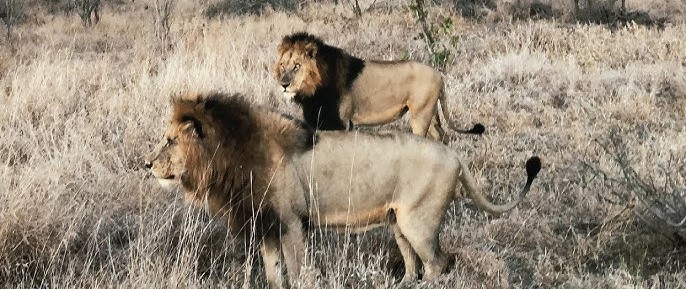
Around 2019, a duo of impressive-looking males from the Kruger region began appearing in the area. They eventually became known as the Kruger males. Their arrival was well-timed, coinciding with the maturing of the previous generation’s offspring. At least seven cubs were born that year, likely sired by the two Kruger males. Remarkably, all seven cubs survived to at least three years and two months of age. Over time, one of the Kruger males disappeared, leaving the remaining male to defend the territory on his own. Though he was an impressive lion in his own right, he eventually faced a formidable challenge from two equally—if not more—dominant males: the Mantimahle males. These two ultimately ousted the lone Kruger male and took over the pride.
Current Status and the Mantimahle Males
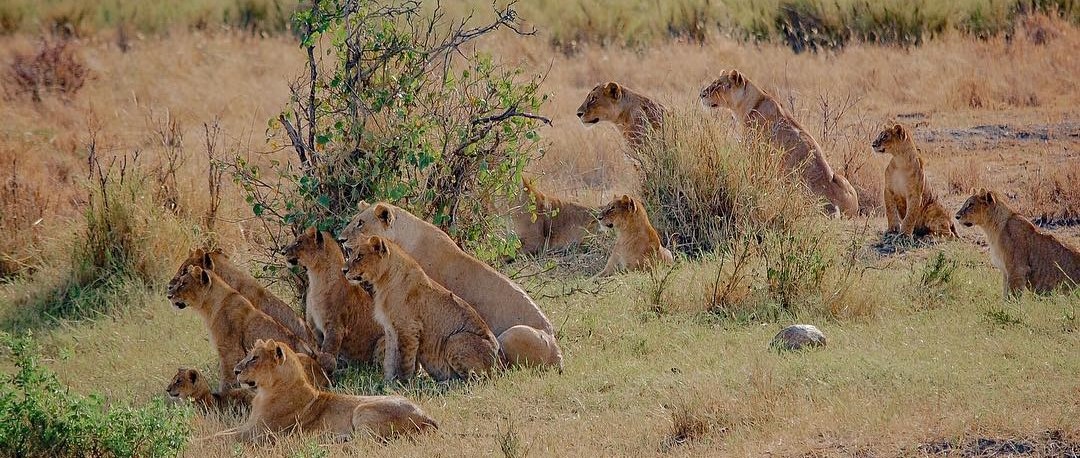
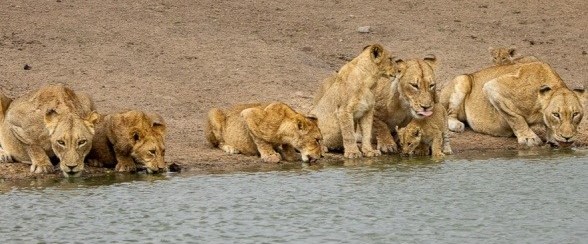
The Mantimahle males were briefly sighted in the Sabi Sands in 2021 and were initially thought to have moved deeper into the Kruger. However, the two males have since been observed just east of Sabi Sands, with occasional sightings within the reserve—typically in the company of the Torchwood pride. Although information on both the Mantimahle males and the Torchwood pride remains limited, current observations indicate that the pride includes six cubs, as well as seven subadults (approximately four years old) sired by the previous males. With at least 13 adult females, the Torchwood pride is now quite large, boasting over 25 individuals in total. The Mantimahle males are known for their aggression and dominance. Under their leadership, the pride appears to be thriving. However, due to its growing size, a split may be on the horizon as the pride becomes increasingly difficult to manage as a single unit.
The information was gathered through various public medias such as blog pages, forums, and online groups.