The Mapogo Invasion
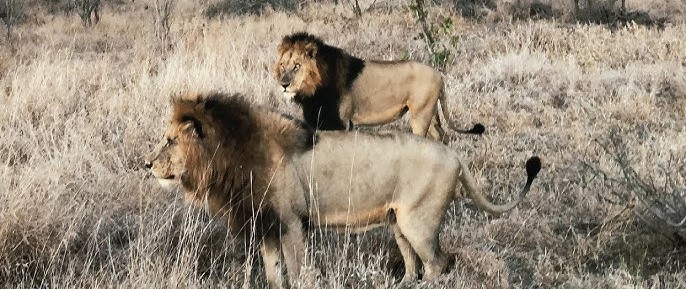
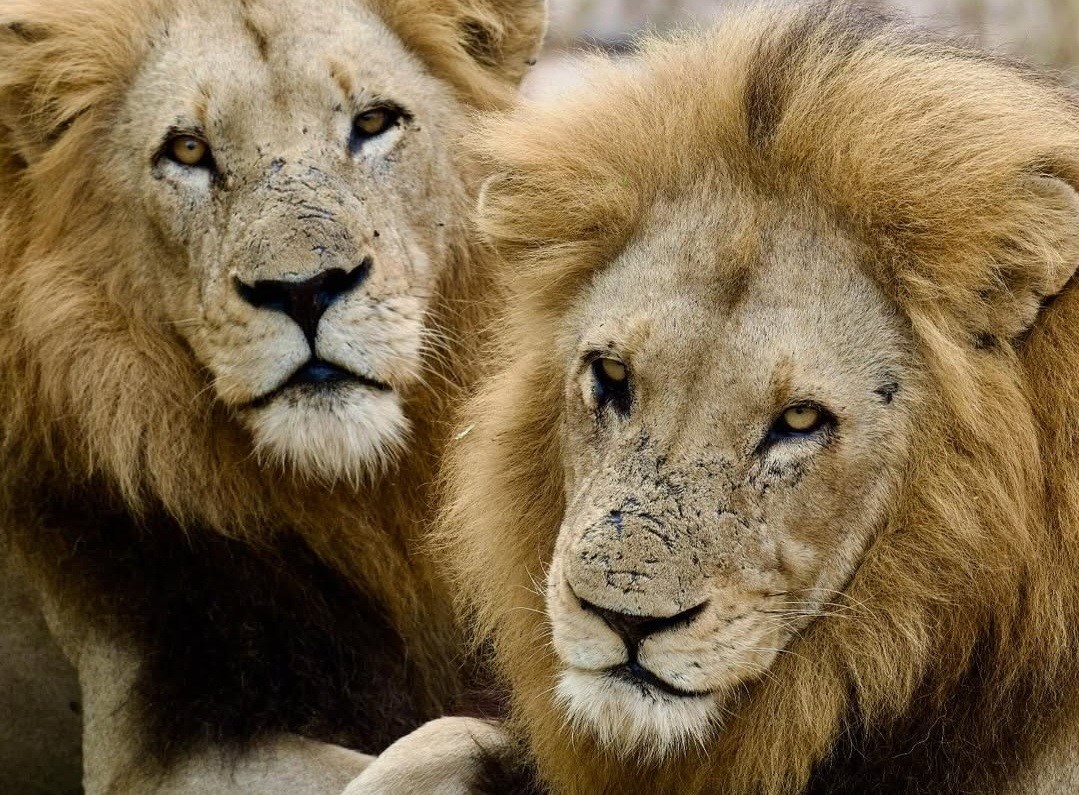
The Nkuhuma Pride, based in the northern Sabi Sands region of Greater Kruger National Park, experienced a period of extreme instability between 2007 and 2011 due to a series of territorial invasions and coalition conflicts. This era significantly shaped the pride's development and may have led to the formation of related prides such as the Talamati Pride. In 2007, the Nkuhuma Pride had several newborn cubs and appeared stable under the leadership of their resident males, including one known as Blondie. However, a major shift occurred when the Mapogo coalition—a group of six dominant males from the south—launched a territorial takeover. The Mapogos were infamous for their aggression and their effectiveness at eliminating rival males. During their invasion, Blondie was killed, and several cubs were lost due to infanticide, a common behavior after male takeovers that brings females back into estrus. A portion of the lionesses fled north with surviving cubs, reportedly accompanied by a male referred to as Dozie. It is widely speculated that some of these fleeing lionesses and cubs later formed the Talamati Pride, though this remains unconfirmed.
Further Conflict and The Emergence of the Gijima Males
Following the Mapogo takeover, the remaining Nkuhuma lionesses became divided. By 2008, the pride had splintered into smaller subgroups, each trying to survive amidst a hostile and shifting landscape. Around this time, two new males—known as the Manyeleti Males—entered from the north, further destabilizing the situation. They reportedly drove out Dozie and killed several lionesses during their incursion. Tensions and skirmishes ensued between the Manyeleti males and the Mapogos, who still held influence in the region. In 2009, another coalition entered the area: the Gijima Males, a duo that began establishing dominance in the northern sector of the Sabi Sands. Their presence challenged the Manyeleti males. One of the Manyeleti males was killed during clashes, possibly with assistance from the Mapogos. The surviving Manyeleti male eventually left the area, allowing the Gijima males to take control of the northern territory. This marked a temporary period of stability for some of the Nkuhuma lionesses in the north.
Three-Way Struggle for Territory
By 2010, the Nkuhuma territory became a focal point for multiple competing coalitions. Three key groups contested the area: the Gijima Males who held dominance in the north, the Mlowati Males (splintered from the Mapogo coalition) in central areas, and a strong younger coalition from the southwest called the Majingilane Males. The Majingilanes quickly defeated the Mlowati males and consolidated power in the southern Sabi Sands. Meanwhile, the Gijima males retained control in the north but faced growing pressure. In early 2011, a tragic event occurred—two Gijima males and a young Nkuhuma male left the reserve boundaries and were all shot and killed by humans, effectively ending the Gijima coalition’s influence over the pride.
Matimba Males
By 2011, the Nkuhuma Pride was in a transitional phase. With the Gijima males gone—two killed and a third lion (a young Nkuhuma male) shot after leaving the reserve—the pride was left without dominant males. Around the same time, a coalition of six young males entered from the north. These lions became known as the Matimba Males. Their arrival marked a new era for the pride, which then consisted of four surviving lionesses. The Matimba males quickly assumed dominance over the territory and began mating with the lionesses, leading to several cubs being born in 2012 across different litters. These cubs became foundational members of the pride, including Purple Eyes, Ridge Nose, Amber Eyes, Chela, and a male known as Junior (also called Nkuhuma Junior or Matimba Junior). Not long after their establishment, the Matimba coalition split. Two of the six males, Hairy Belly and Ginger—later known as the Southern Matimbas—remained around the Nkuhuma Pride and served as the primary protectors during this time.
Birmingham Males
In late 2015, a coalition of five younger males, known as the Birmingham Males, began moving southward into the Sabi Sands from the north. These males were nephews of the Matimbas, originating from the same natal pride, making the eventual takeover a clash between closely related lions. Faced with younger and more dominant rivals, Hairy Belly and Ginger withdrew without direct conflict, allowing the Birmingham coalition to assume control of the Nkuhuma Pride peacefully. Once established, the Birminghams mated with the lionesses, producing multiple litters. The pride expanded significantly during this time, with many cubs reaching sub-adult and adult stages. The Nkuhuma young male and his sisters emerged as key offspring during this prosperous period.
Avoca Males
The Birmingham males controlled the Nkuhuma Pride for over two years, from late 2015 to early 2018. By early 2018, their dominance waned due to age, changing dynamics, and increased territory demands elsewhere. That year, a new coalition—the Northern Avoca males—rose to power. This trio included a dark-maned male, a light-maned male named Blondie, and another male known as Mohawk, easily recognized by his piercing eyes. They moved into the area and took over the pride with little resistance. At the time, the pride consisted of four sub-adult females, one sub-adult male (son of the Birmingham males), and one adopted young male from the Mhangeni Pride. Rather than expelling the younger lions, the Avocas accepted them, preserving the pride’s structure. They fathered several cubs with the Nkuhuma females, ensuring their legacy. Their rule was marked by stability and minimal internal conflict. A coalition of four young males eventually emerged from the pride, and two of them—alongside Mohawk—secured territory within the Kruger.
The Nkuhuma Pride Split
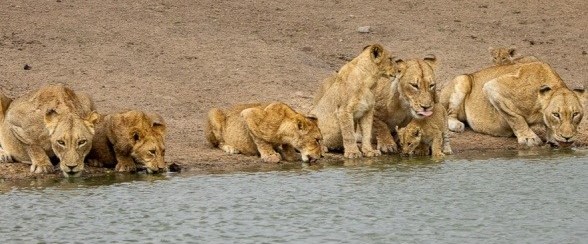
Following the decline of the Avoca males from late 2021 into 2022, the pride entered another phase of instability. Internal changes, including maturing sub-adults and leadership shifts, led to a split within the pride. Around mid-2021, two older Nkuhuma females, Ridge Nose and Amber Eyes, came back into estrus and moved west in search of new males. They encountered the young Plains Camp males, and in early 2022, both females gave birth to cubs. By that time, the pride had divided into two main factions: the original Nkuhuma Pride, consisting of most of the original lionesses, and a breakaway pride composed of just two adult females.
Current Status
As of April 2025, the Nkuhuma Pride continues to display dynamic social structures and territorial behaviors within the Sabi Sands region. Recent sightings as of April 9, 2025, confirm a stable presence. The pride includes several mature lionesses, some of whom are actively nurturing recent litters. The pride has been observed in areas including Elephant Plains and Silvan Safari, suggesting a flexible territorial range influenced by environmental factors and inter-pride interactions. Their interactions with the Black Dam males and the Kambula coalition have recently shaped their social dynamics. The Black Dam males—a coalition of two young males—have been observed near the Nkuhuma Pride. Notably, in October 2024, Nkuhuma lionesses were seen alongside a Black Dam male and the Kruger male at a carcass. The [Kambula males]((https://thewildlion.org/lions/The-Kambula-Males) have also played a key role; in January 2025, a Kambula/Ntsevu male known as K4 was observed with the pride. Reports from December 2024 indicate a potentially stable future, suggesting a new period of unity among these groups.
The information was gathered through various public medias such as blog pages, forums, and online groups.