Early Conquests
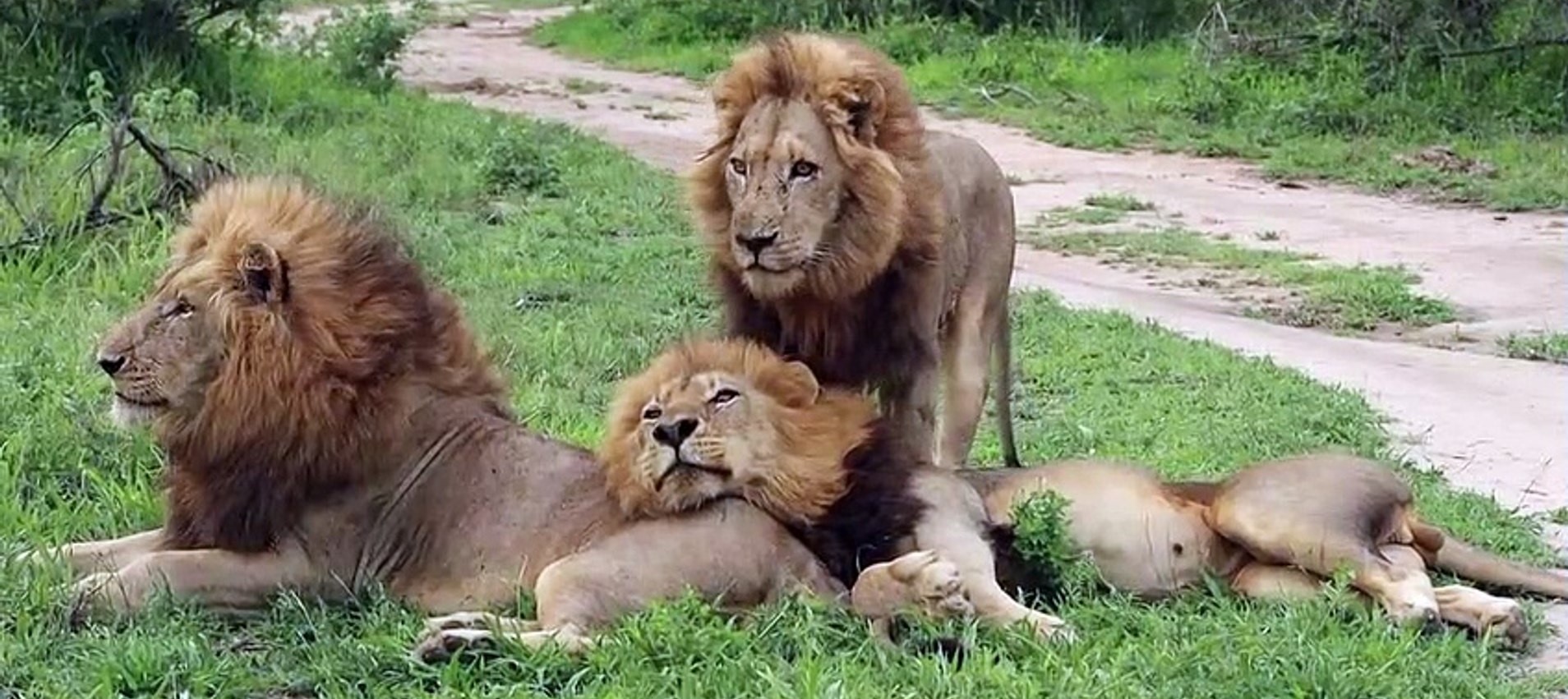
With the Ndzhenga males abandoning their former territory, the Gijima males quickly took control and became dominant over the Southern pride. At that time, the pride consisted of an adult lioness and her two sub-adult daughters. The Gijimas chose not to harm the sub-adults—a wise move that preserved the pride’s structure and secured future bloodline prospects. Next, they turned their attention to the Styx pride, which had recently been left behind by the retreating Ndzhenga males. Initially, the Styx pride showed resistance, especially since they had sub-adults to protect. However, once the sub-adults dispersed, the Gijimas claimed the pride. They wasted no time in making the territory left behind by the Ndzhengas their own—an impressive feat for such a young coalition just entering their prime.
Conflict with the Nkhulu Coalition
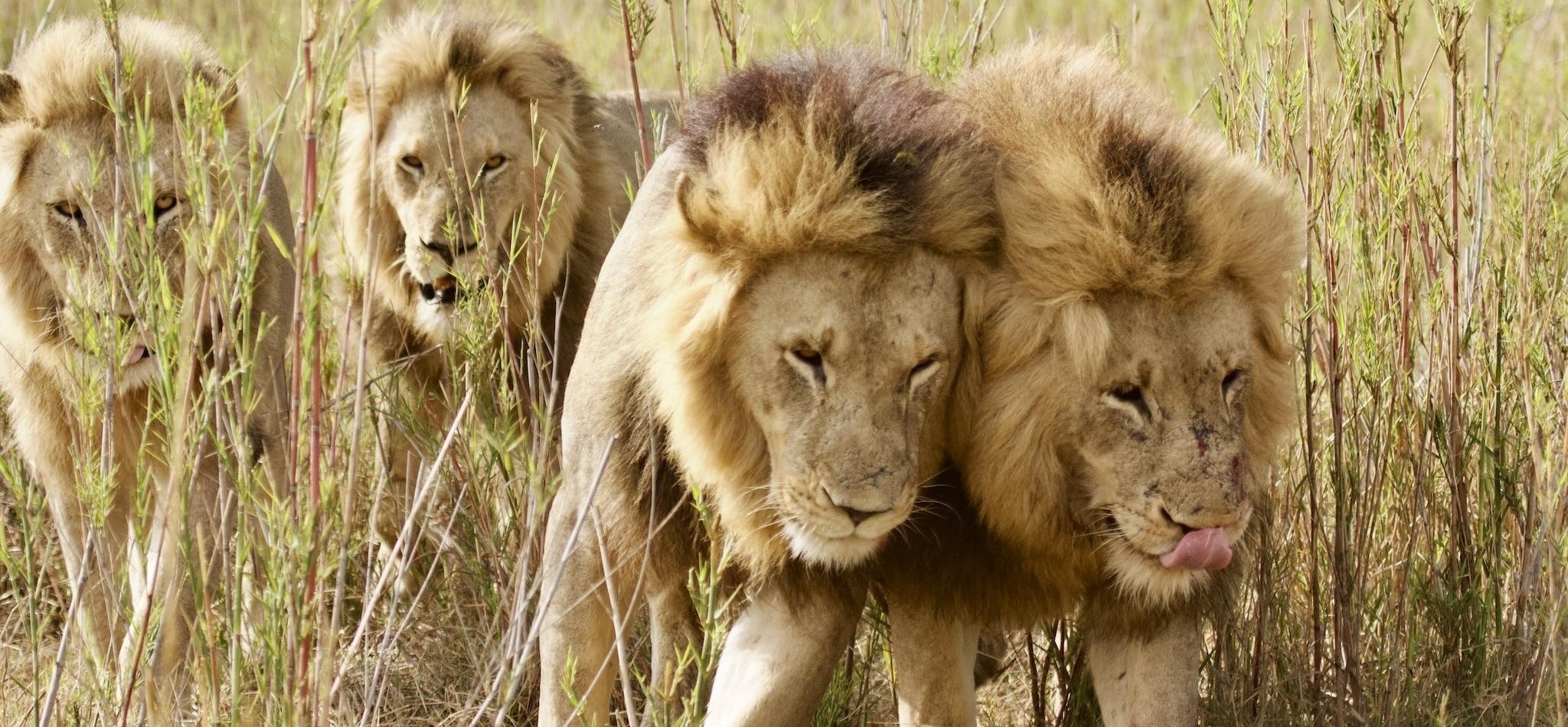
In 2023, the Gijima males were confronted by a much larger coalition just south of their territory. The six Nkhulu males had recently pushed out the aging Southern Avoca males and were in search of a territory. Although peace held for a brief period, conflict was inevitable. Could the two Gijimas withstand the pressure of a coalition three times their size? True to form, the Gijimas—always known for their boldness—met the challenge head-on. Despite their numerical disadvantage, the Gijima brothers held their own in several direct confrontations. In one instance, a Gijima male unexpectedly stumbled upon five Nkhulu males resting in a thicket. Realizing the odds, he chose not to engage without his brother present. The Nkhulus seized the opportunity to assert dominance and gave chase, resulting in a dramatic show of strength. In another clash, at least four Nkhulu males pursued the Gijimas, but the younger Gijima male turned the tables—he boldly faced them head-on and initiated a countercharge. It was an intense display of aggression and courage. The Gijimas consistently proved to be formidable opponents, signaling that they were a force to be reckoned with, even without superior numbers.
Aftermath and Continuing Tension
Following these confrontations, the Gijima males pulled back slightly but did not abandon their territorial ambitions. The Nkhulu Coalition managed to defend their territory, but the challenge from the Gijimas was unlike anything they had faced before. Over the following months, the Gijimas continued to test the Nkhulus’ boundaries, consistently asserting their presence. Although the Nkhulus remained dominant, the ongoing pressure and aggression from the Gijima brothers ensured that tensions remained high. These repeated encounters significantly altered the power dynamics in the region, making it clear that the Gijimas were not to be underestimated.
Taking Over a New Pride
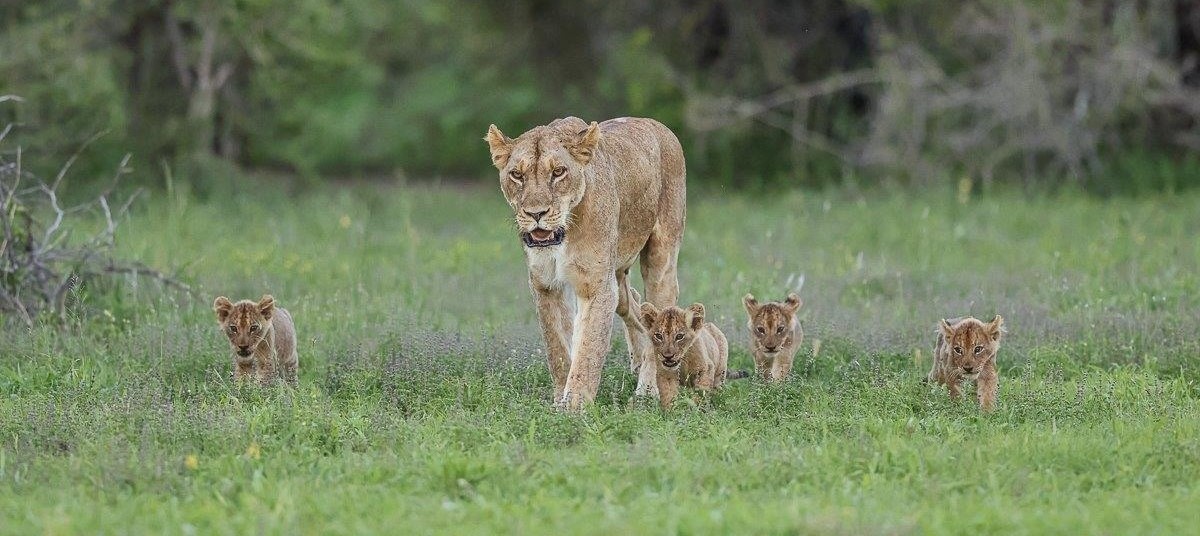
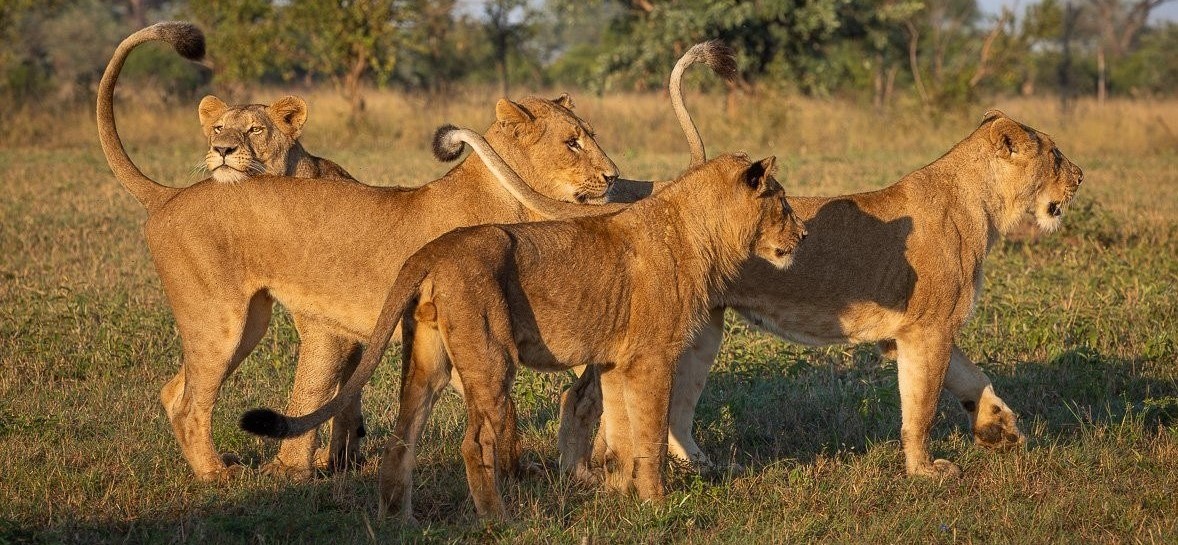
A well-known pride from the north—the Talamati pride—underwent several turbulent years, eventually resulting in a breakaway group of four young females. After a brief nomadic phase, the females settled in southern Sabi Sands. Seizing the opportunity, the Gijima males quickly took over and began bonding with the new group. The pride was renamed the Msutlu pride. Under the Gijimas’ leadership, the pride found stability. This marked a new high point for the coalition, bringing the total number of prides under their control to three. This early success has not only secured their legacy but also ensured the continuation of their bloodline. If the Gijima males can maintain control long enough to raise at least one generation of cubs to adulthood, they will leave behind a lasting legacy in the Sabi Sands.
Current Status and Future
As of now, the Gijima males continue to strengthen their hold in the region, despite facing resistance from rival coalitions. They have firmly established themselves as dominant players in the area. Their consistent aggression and resilience suggest that they will continue to compete for territory and influence. The confrontations with the Nkhulu Coalition have defined much of their journey so far, and it remains to be seen how this intense rivalry will unfold in the months and years to come.
The information was gathered through various public medias such as blog pages, forums, and online groups.