The Mapogo Years
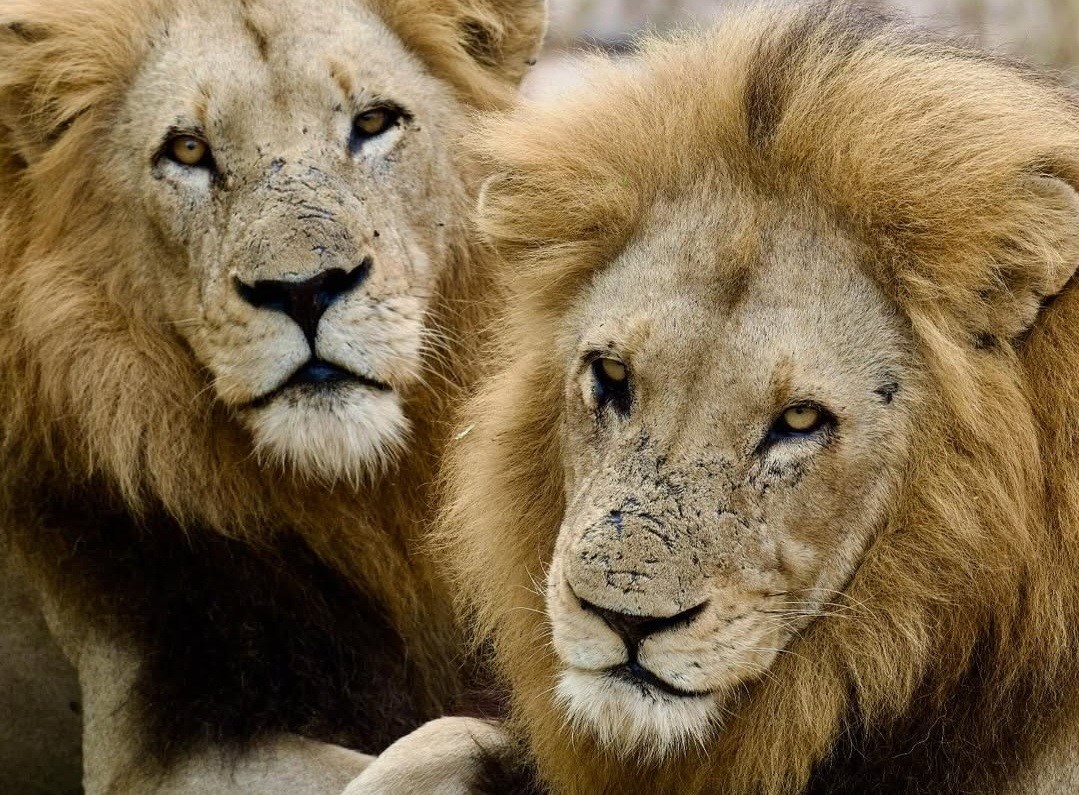
By the end of 2008, the Ximhungwe Pride was under the control of the four Mapogo males who had split from Mr. T and Kinky Tail. These Mapogo males had established dominance over the western sector, and Ximhungwe territory fell within their sphere of influence. At this stage, the pride consisted of five lionesses, but only one was fully mature. By late 2009 and into the early 2010s, the young Ximhungwe lionesses had finally reached reproductive maturity. After nearly two years under the control of the four western Mapogo males, they gave birth to their first litters, with at least six cubs born during this period. The lionesses, now fully matured, were beginning to fulfill their role as mothers. In mid-2010, following the death of Kinky Tail at the hands of the Majingilane coalition, Mr. T rejoined his Mapogo brothers in the west. Mr. T had not sired the new cubs nor was he familiar with the western pride structure or its offspring. Shortly after his arrival, the Ximhungwe cubs began to disappear. The timing and circumstances strongly suggest that Mr. T killed the cubs—a tragic but not uncommon behavior in lion dynamics when unfamiliar males join a pride with existing offspring. The young lionesses had just begun their journey of motherhood, only to be forced back into estrus by the loss of their litters. This act of infanticide shocked those who had followed the pride’s struggle to recover and earned Mr. T the chilling nickname “Satan.” It underscored the ruthless nature of lion hierarchy, where even cubs of one’s own coalition can be killed if not directly sired or recognized. In November 2011, tragedy struck again when the Castleton/Ximhungwe matriarch—the last original adult lioness of the pride and mother of the “Mini-Pogs”—was found caught in a snare. Despite all adversities, four cubs of the core Ximhungwe pride survived into early 2012. By 2012, the winds of change were on the horizon with the arrival of a new coalition to challenge the three remaining Mapogo males.
The Selati Years
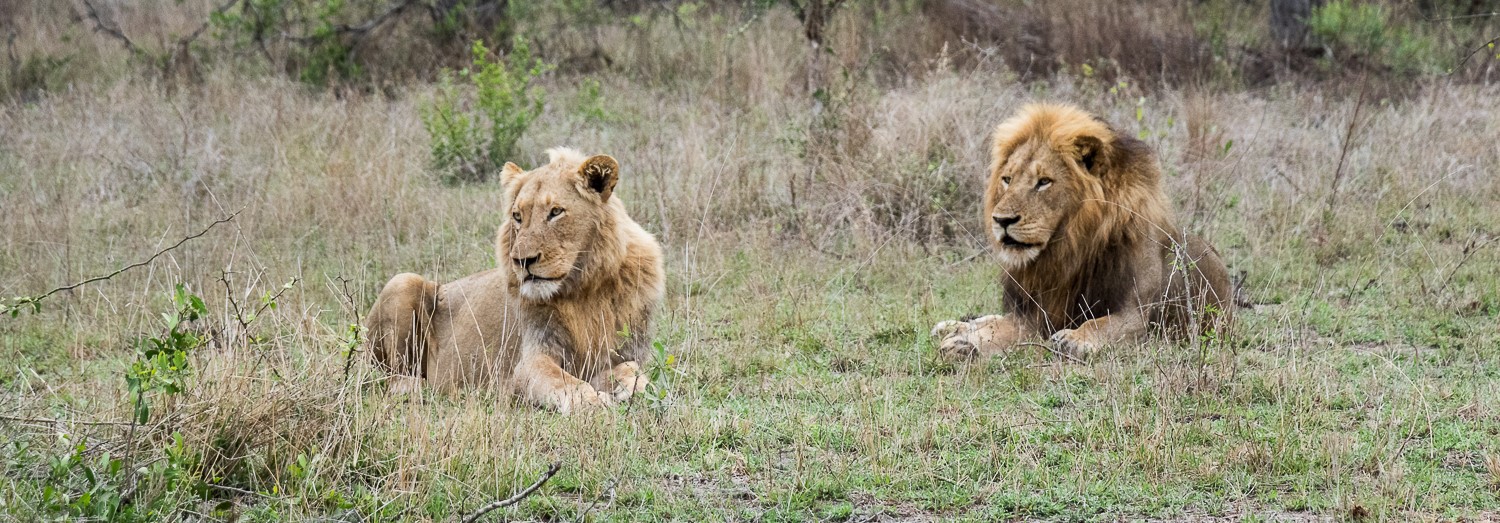
After killing Mr. T in March 2012 and driving off Makulu and Pretty Boy by mid-year, the once-powerful Mapogo males were ultimately dethroned by the Selati coalition. Their relationship with the Ximhungwe lionesses was strained from the start. Still traumatized by previous cub losses during the Mapogo era, the lionesses worked hard to keep their cubs hidden and away from the Selati males. One of the Selati males stood out for his aggression and independence; he even chased the Ximhungwe lionesses at one point and was attacked by all four females. Despite their valiant defense, the Ximhungwe lionesses were unable to protect their offspring. The last four Mapogo cubs disappeared by mid-2012, forcing the lionesses to start over. New litters sired by the Selatis were born in late 2012 and early 2013. By early 2013, two lionesses had introduced their cubs to the new males. The Selati males were beginning to behave like pride males—feeding with the pride and patrolling regularly. However, the Selati males soon abandoned the pride, shifting their focus to the Othawa pride, partly due to pressure from the Majingilane coalition just east of their territory. By the end of the Selati era, the pride was left with only four surviving sub-adults. This marked the beginning of a long period of wandering and instability for the Ximhungwe lionesses, left without protection or consistent territory. Only three sub-adults survived to adulthood—two females and one male—all sired by the Selati males.
A New Beginning
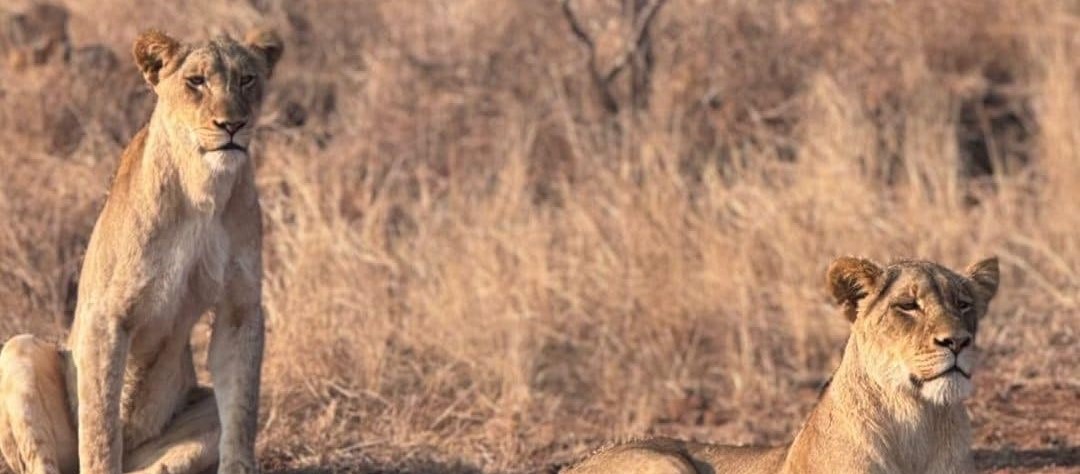
From 2016 onward, sightings of the Ximhungwe Pride became scarce, raising concerns about its fate. In early 2017, reports from Manyeleti identified three mature individuals—a limping male and two lionesses. Later that year, the male split from his sisters and likely passed away, leaving the two lionesses to roam Manyeleti and northern Sabi Sands. By November 2018, the pride was recorded as consisting of two adult lionesses, both confirmed daughters of the Selati males. In 2019, the pride became fully nomadic, moving through the western and northern sectors of Sabi Sands and even venturing outside the reserve, reflecting their continued instability and lack of secure territory. In January 2020, one lioness gave birth, offering hope for the lineage. However, tragedy struck when her sister—already in declining health—separated and eventually passed away. Consequently, the pride was reduced to a single adult lioness, the sole bearer of the Ximhungwe legacy. In early 2022, the lone Ximhungwe female was seen again in the western sector, this time accompanied by Gingerella, a lioness formerly associated with the Othawa Pride. The Othawa Pride, now with new cubs, rejected her. Gingerella remained alone in the west before eventually joining the last surviving Ximhungwe lioness.
Current Status
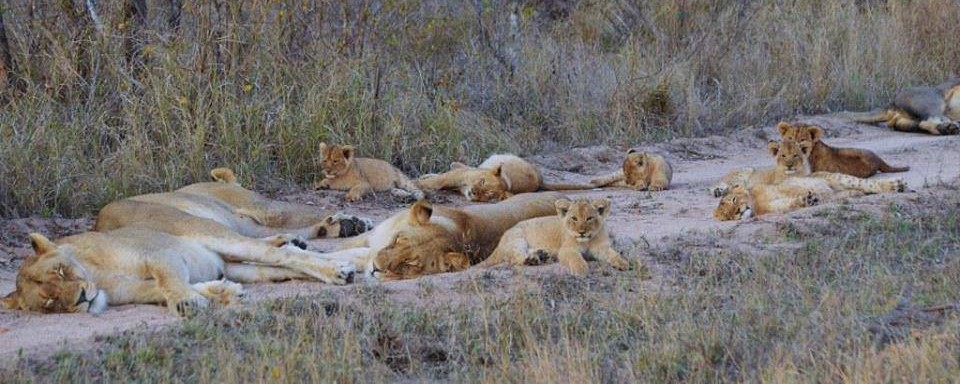
In August 2023, Gingerella gave birth to two female cubs sired by Plains Camp males, marking the first confirmed new generation for the Ximhungwe Pride in years. A month later, in September 2023, the older Ximhungwe lioness gave birth to a single male cub, sired by the same coalition. Unfortunately, the young male did not survive long. Despite her loss, the Ximhungwe lioness continued to nurse and protect Gingerella’s cubs, offering both maternal care and safety, which delayed her return to estrus until late 2024. Though they were not her biological daughters, she invested fully in their survival, development, and pride unity. Once reduced to a single lioness, the Ximhungwe pride was finally flourishing again. In late April 2025, the last of the original Ximhungwe pride was killed by hyenas after being seen with a severe injury. She had recently given birth to two young male cubs who are now dependent on the rest of the pride for survival. This leaves the pride with just one lone lioness, Gingerella, to raise the young of the pride, which currently consists of two female sub-adults and a remaining single young male cub of the Ximhungwe lioness. It remains to be seen how the rest of the year will unfold.
The information was gathered through various public medias such as blog pages, forums, and online groups.